How a Cladding Panel Improves Both Protection and Appearance
Key Takeaways
- Cladding panels protect exterior walls from heat, moisture, and daily exposure
- They enhance visual appeal through texture, colour, and clean lines
- Low maintenance makes them practical for Singapore’s climate
- Cladding pairs well with outdoor decking in Singapore for cohesive exterior design
- Long-term durability often offsets the initial investment
Introduction
Buildings in Singapore have a tough job. They face heat, sudden downpours, humidity that lingers, and sunlight that never really takes a day off. Yet they are also expected to look good, whether it is a landed home, a commercial space, or a shared residential development. That tension between durability and design is where a cladding panel quietly proves its worth.
Rather than shouting for attention, this exterior solution works in the background. It shields surfaces from wear while sharpening the building’s overall appearance. Practical? Very. Visually pleasing? Surprisingly so.
More Than a Surface Covering
At first glance, a cladding panel may seem like a decorative layer. But its real value runs deeper. Acting as a protective skin, it helps walls cope with moisture, heat, and daily exposure to the elements. Over time, that protection reduces cracking, staining, and surface fatigue.
In Singapore’s climate, this matters. Constant rain followed by intense sun can wear down unprotected façades faster than expected. Cladding creates a buffer zone, helping the structure beneath stay stable and dry. It is a bit like wearing a lightweight jacket that still breathes.
A Visual Upgrade Without the Drama
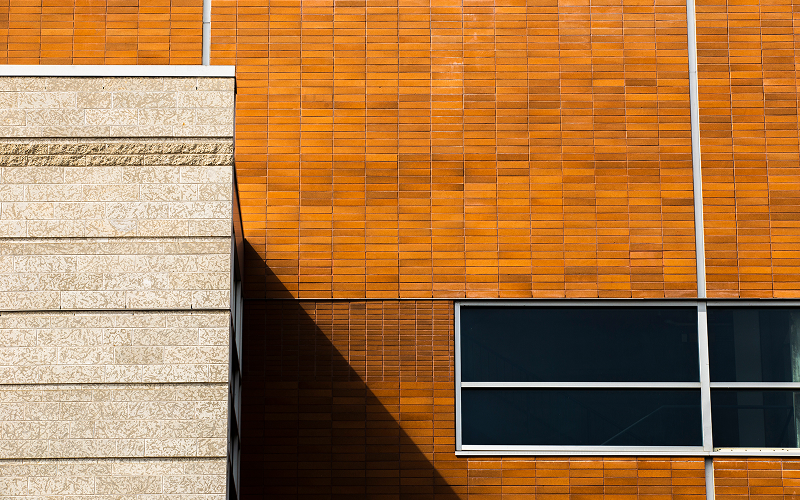
Appearance plays a bigger role than many realise. Clean lines, consistent textures, and thoughtful finishes can change how a building feels from the street. A cladding panel brings order to surfaces that might otherwise look flat or tired.
This is where design choices start to shine. Timber-look finishes soften modern forms. Sleek composite panels suit contemporary homes. Neutral tones blend easily into urban neighbourhoods. The result is a building that looks considered, not overworked.
Interestingly, the same logic applies to outdoor decking in Singapore. Both solutions aim to balance weather resistance with comfort and style. When used together, they create a cohesive exterior that feels intentional rather than pieced together.
Weather Resistance That Works Quietly
Protection is not always obvious, and that is the point. A cladding panel helps manage moisture by allowing airflow behind the surface. This reduces trapped dampness, which can lead to mould or long-term damage.
Heat resistance also comes into play. Certain materials deflect sunlight or reduce heat transfer, helping interiors stay cooler. It is not an insulation replacement, but it supports overall thermal comfort. Small gains like this add up, especially during warmer months.
Maintenance That Fits Real Life
No one wants an exterior that demands constant attention. One of the understated benefits of cladding is how little upkeep it needs. Most panels resist fading, warping, and staining better than traditional painted walls.
A simple wash now and then usually does the job. For busy households or property managers, that ease matters. It mirrors the appeal of outdoor decking in Singapore, where materials are chosen not just for looks, but for how they hold up with minimal fuss.
Flexible Enough for Different Spaces
Cladding is not limited to large buildings. It works just as well on feature walls, balconies, or sheltered walkways. Some homeowners even use it to visually connect indoor and outdoor zones, creating smoother transitions.
There is a mild contradiction here. Cladding feels like a bold design move, yet it blends in effortlessly when done right. That balance is what makes it so adaptable. It can stand out or step back, depending on how it is used.
A Smart Long-Term Choice
Cost often comes up in conversations about exterior upgrades. While cladding may require a higher upfront investment than paint, it tends to pay off over time. Reduced maintenance, better protection, and longer surface life all contribute to that value.
It is similar to choosing quality materials for outdoor decking in Singapore. The initial decision might feel bigger, but the long-term comfort and durability usually justify it.
Conclusion
A cladding panel improves both protection and appearance without demanding attention. It shields buildings from harsh weather while refining their visual character. In a climate like Singapore’s, that combination is not a luxury; it is a sensible choice.
For property owners looking to enhance durability and design in one move, cladding offers a balanced, reliable solution. To explore suitable options and professional installation, get in touch with Hardscapes and start the conversation today.