What Happens Between a Termite Swarm and Wood Damage
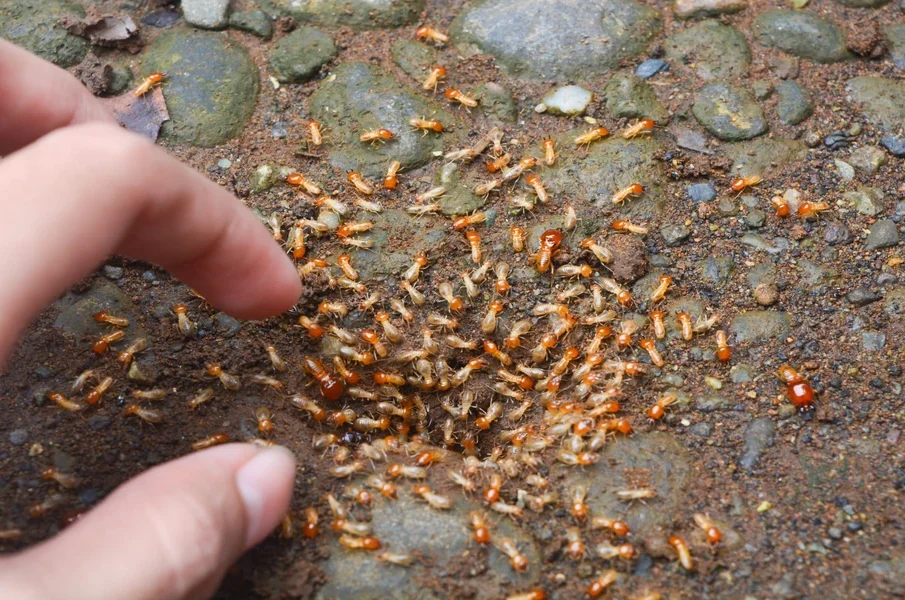
Seeing termite swarmers around a home can be unsettling. The winged insects are reproductive termites that leave a mature colony to establish new colonies. The real concern is what happens after the swarmers appear.
Central Florida has conditions that support termite activity for much of the year. Subterranean termites live in the sandy, often damp soil here and can reach wood through foundation cracks, utility openings, and mud tubes. Knowing what signs to watch for can help you protect your home from termites before the damage spreads.
What a Termite Swarm Tells You
Winged termites, or swarmers, leave an established colony to start new ones. They head toward light, so homeowners often find them around windows, doors, vents, or fixtures. A swarm does not show where the colony is. The termites may have come from inside the structure, from soil near the foundation, or from somewhere close by. The details around the swarm say more than the insects alone.
- Swarmers indoors deserve prompt attention, since they may have come from an infestation inside the structure.
- Discarded wings near windowsills, doors, or fixtures can indicate that a swarm has already occurred.
- Mud tubes along a foundation or wall point toward subterranean termite activity.
- Repeated swarms in the same area suggest a colony has stayed established nearby.
How Hidden Feeding Turns Into Damage
Once swarmers leave the colony, they shed their wings and search for places where a new colony might form. The original colony remains active, with worker termites continuing to feed. Subterranean termites can reach wood above ground through mud tubes that connect their underground nest to the structure.
Much of that feeding happens where homeowners cannot see it. The surface of the wood may look normal even as termites work inside it, allowing damage to build over time. Over time, the wood loses strength as they hollow it from within. Problems can appear around door and window frames, structural supports, or flooring, depending on where the colony gets in. Subterranean termites are not the only concern in Central Florida. Drywood termites live inside the wood itself, so a swarm can originate from a beam, piece of trim, or another wooden component within the house. That difference changes where an inspection needs to look.
- Wood that sounds hollow when tapped can mean it is deteriorating inside.
- A door or window that suddenly sticks may point to changes around the frame.
- Mud tubes on wooden supports can mark a route between soil and structure.
- Damaged wood may show galleries running along the grain.
- Blistered or lifting paint can appear when termites feed just beneath the surface.
Other causes can look the same. Moisture damage, aging wood, and other wood-destroying insects leave similar marks, so only a closer inspection confirms whether termites are behind them.
What Homeowners Can Check
You do not have to find the whole infestation to spot the early signs. Look around the base of the house, then check accessible wood around garages, porches, doors, windows, and utility lines. Drywood termites leave small pellets of frass beneath the wood they infest, so a scatter of fine grains on a windowsill or floor is a sign to check.
Moisture also matters with subterranean termites, since they depend on contact with soil and favorable moisture conditions. Leaking pipes, poor drainage, sprinkler overspray, and wood that stays damp support their activity. Keep mulch, firewood, and scrap wood away from the foundation. Then, fix leaks quickly, and keep gutters and downspouts moving water away from the house.
When a Swarm Warrants an Inspection
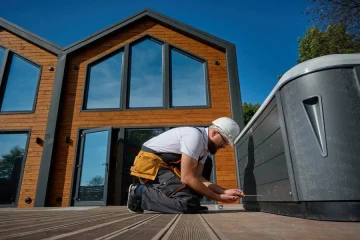
A termite swarm is more than a nuisance when the insects appear indoors or other signs show up with it. An inspection can tell whether the swarm came from an established colony, whether structural wood shows feeding, and where termites may be getting in.
Avata Pest Control offers termite inspections along with treatment options such as bait stations, liquid treatments, and annual monitoring. A swarm does not mean serious damage has already happened. It does mean there is reason to act. Finding the source early gives you a better chance to stop termite activity before hidden feeding turns into major wood damage.