Beyond Dirty Filters: Unexpected Reasons Your AC Isn’t Cooling Properly
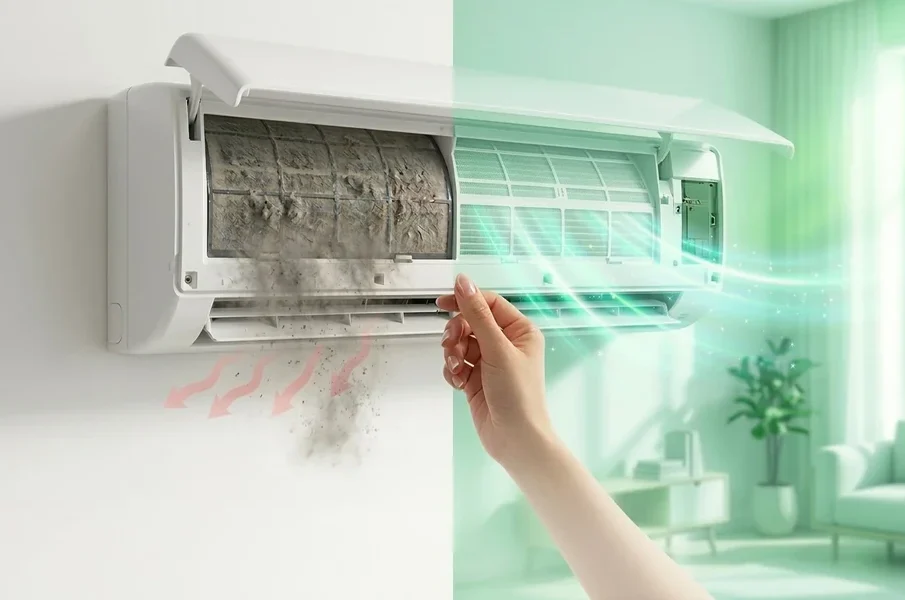
When your air conditioner stops cooling properly, it’s easy to assume a dirty air filter is to blame. While clogged filters are a common cause of poor performance, they are far from the only reason your home may feel warmer than it should. Air conditioning systems are made up of many components that work together, and when one part isn’t functioning correctly, the entire system can struggle to keep your home comfortable. If your AC continues to blow warm air or runs longer than usual, scheduling professional air conditioning repair Roswell, NM can help identify the actual cause before it leads to more expensive repairs.
Many cooling issues begin with small problems that homeowners may not notice right away. A minor refrigerant leak, a faulty thermostat, or blocked airflow can gradually reduce efficiency without causing the system to stop completely. Understanding these less obvious issues can help you recognize early warning signs and know when it’s time to call a qualified HVAC technician.
Your Thermostat May Be the Real Problem
A thermostat acts as the control center for your air conditioning system. If it isn’t reading indoor temperatures accurately or has incorrect settings, your AC may not cool your home as expected.
Simple issues such as low batteries, accidental programming changes, or poor thermostat placement can all affect performance. For example, a thermostat installed near a sunny window or heat-producing appliance may think your home is warmer than it actually is, causing the system to cycle incorrectly.
Before assuming the air conditioner is failing, check that:
- The thermostat is set to “Cool.”
- The temperature setting is lower than the current room temperature.
- Batteries are fresh if applicable.
- The display is functioning correctly.
If everything appears normal but cooling problems continue, the thermostat itself may require professional inspection.
Low Refrigerant Levels Can Reduce Cooling
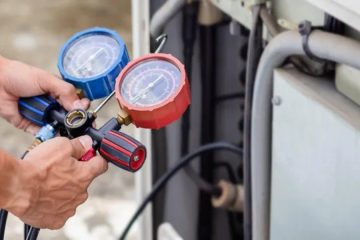
Your air conditioner relies on refrigerant to absorb heat from inside your home and release it outdoors. Unlike fuel, refrigerant is not something that gets used up during normal operation. If levels become low, there is usually a leak somewhere within the system.
Common signs of low refrigerant include:
- Warm air coming from the vents
- Ice forming on refrigerant lines
- Longer cooling cycles
- Higher electricity bills
- Hissing or bubbling sounds near the unit
Simply adding more refrigerant does not solve the problem. A technician must locate and repair the leak before recharging the system.
Dirty Evaporator or Condenser Coils
Even with a clean air filter, the coils inside your air conditioning system can accumulate dirt over time.
The evaporator coil absorbs heat from indoor air, while the outdoor condenser coil releases that heat outside. When either coil becomes covered with dust or debris, heat transfer becomes less efficient, forcing the system to work harder.
This often leads to:
- Reduced cooling capacity
- Increased energy consumption
- Longer operating cycles
- Added strain on the compressor
Routine professional maintenance includes cleaning these coils to help maintain peak performance.
Blocked or Leaking Ductwork
Sometimes the air conditioner is cooling properly, but the cooled air never reaches the rooms where it’s needed.
Leaks in ductwork allow conditioned air to escape into attics, crawl spaces, or wall cavities before it reaches living areas. Blocked ducts can also restrict airflow, making certain rooms noticeably warmer than others.
Signs of ductwork problems include:
- Uneven temperatures between rooms
- Weak airflow from some vents
- Excessive dust inside the home
- Higher utility bills
Having ductwork inspected can improve both comfort and system efficiency.
Frozen Evaporator Coils
Ice forming on the indoor evaporator coil is another issue many homeowners don’t expect.
A frozen coil prevents the system from absorbing heat properly, causing warm air to circulate instead of cool air. Several problems can lead to frozen coils, including restricted airflow, refrigerant leaks, or dirty components.
If you notice ice around the indoor unit, turn the system off and allow it to thaw before contacting an HVAC professional. Continuing to run the system can increase the risk of further damage.
Electrical Components Can Wear Out
Modern air conditioners depend on numerous electrical parts to operate efficiently. Over time, components such as capacitors, contactors, relays, and wiring connections naturally wear down.
Failing electrical components may cause:
- The outdoor unit not to start
- Intermittent cooling
- Frequent system cycling
- Unusual clicking or buzzing sounds
Because electrical repairs involve high-voltage equipment, they should always be handled by qualified professionals.
Restricted Airflow Around the Outdoor Unit
The outdoor condenser unit needs plenty of open space to release heat effectively. If plants, leaves, dirt, or other debris surround the unit, airflow becomes restricted.
Without proper ventilation, heat remains trapped inside the system, reducing cooling performance and increasing energy use.
To keep airflow unrestricted:
- Trim shrubs at least two feet away.
- Remove leaves and grass clippings regularly.
- Avoid storing equipment near the condenser.
- Gently rinse dirt from the exterior fins when needed.
These simple maintenance habits can improve overall system efficiency.
Aging Equipment May Be Losing Efficiency
Even well-maintained air conditioners gradually lose efficiency as they age. Components wear out, technology improves, and older systems often require more energy to provide the same level of cooling.
If your system is more than 10 to 15 years old and frequently requires repairs, replacing it may become more cost-effective than continuing to fix recurring problems.
Newer HVAC systems offer:
- Higher energy efficiency
- Improved humidity control
- Quieter operation
- More consistent cooling
- Smart thermostat compatibility
A professional evaluation can help determine whether repair or replacement is the better long-term solution.
Prevent Cooling Problems Before They Start
Many unexpected air conditioning issues can be avoided through routine maintenance.
Annual inspections allow technicians to identify worn components, clean essential parts, check refrigerant levels, and verify that every system operates safely and efficiently before peak cooling season arrives.
Preventive maintenance often costs far less than emergency repairs and helps extend the lifespan of your equipment.
Final Thoughts
A dirty air filter is only one of many reasons an air conditioner may struggle to cool your home. Problems involving refrigerant, ductwork, electrical components, frozen coils, dirty condenser coils, or thermostat malfunctions can all reduce system performance without immediately causing a complete breakdown.
Paying attention to early warning signs and scheduling professional inspections when cooling performance changes can help prevent costly repairs and improve your home’s overall comfort. Regular maintenance remains the most effective way to keep your air conditioner running efficiently, ensuring reliable cooling throughout the hottest months of the year.