Marble vs Granite Surfaces Comparison Pros and Cons UK
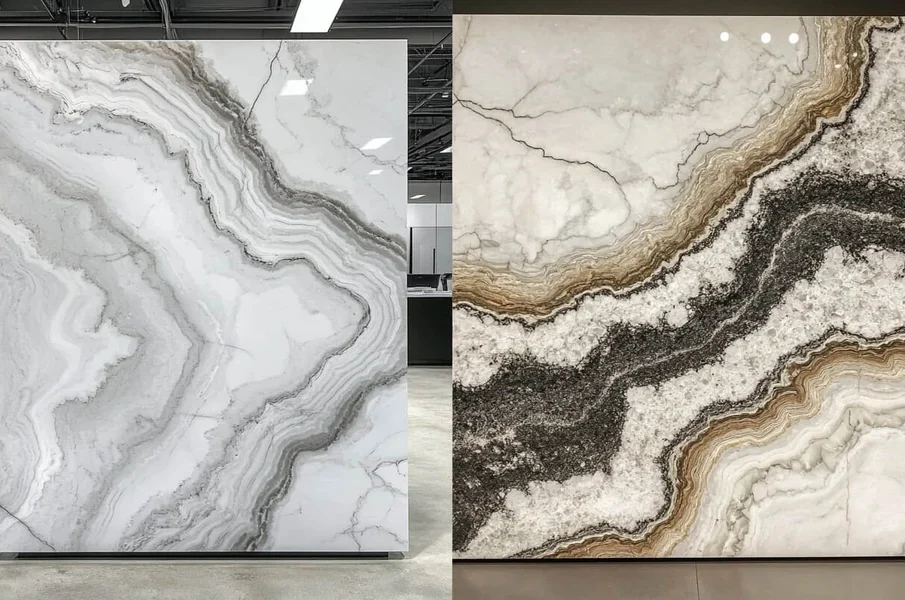
When it comes to choosing materials for kitchen worktops, the decision often narrows down to two popular options: marble and granite. Both are renowned for their timeless beauty and durability, making them a favourite among homeowners in the UK. Each stone has its unique characteristics, adding a distinct charm to any kitchen.
Marble, with its exquisite veining, offers a sophisticated elegance that many desire in their home. It serves as a stunning centrepiece, especially in high-end kitchen designs. On the other hand, granite is celebrated for its resilience and varied patterns, making it a practical choice for busy households.
This guide aims to provide an insightful overview of both materials, highlighting their pros and cons. By understanding the differences, you can make an informed decision that aligns with your kitchen needs and personal style.
Key Takeaways
- Both materials enhance the elegance of luxury kitchen designs.
- Marble offers a unique aesthetic, while granite provides durability.
- Choosing the right stone is essential for your home’s overall look.
- Each stone has distinct characteristics that cater to different preferences.
- This guide assists in making a well-informed choice for your kitchen worktops.
Overview of Natural Stone Choices in the UK
In the quest for ideal kitchen worktop materials, many homeowners find themselves drawn to two standout choices. Each stone has a fascinating geological background that contributes to its unique characteristics.
The formation of granite occurs as magma cools beneath the Earth’s surface. This process results in a durable material with a rough, granular texture, making it a favourite for high-traffic areas.
On the other hand, marble is a metamorphic stone formed when limestone undergoes intense heat and pressure. This transformation creates stunning patterns that enhance its beauty.
In British properties, these natural stones are not just materials; they are integral to creating sophisticated kitchens. Designers often favour them for their extensive range of colours, which can elevate ordinary spaces into luxurious environments.
Understanding the difference between these natural stones is crucial for homeowners aiming to make informed choices in their design projects.
- Granite offers a robust texture ideal for busy kitchens.
- Marble’s unique veining adds elegance to any design.
- Both materials are versatile, suitable for various applications.
- The choice between them can significantly impact the aesthetic of your home.
Marble vs Granite Surfaces Comparison: Pros and Cons
The selection of kitchen worktop materials often boils down to two main contenders. Both stones offer unique benefits and drawbacks that can influence your choice.
Granite is known for its exceptional durability. It is harder and more resistant to scratches, making it ideal for busy kitchens. On the other hand, marble brings an exclusive aesthetic appeal, although it requires more frequent maintenance and sealing to keep its beauty intact.
When planning your kitchen, remember that worktops typically account for 20-25% of the total project cost. This significant investment should guide your choice.
- Both materials are porous, necessitating regular sealing to prevent stains.
- Professional installation is essential to ensure the countertops are fitted safely.
- The main difference in performance often relates to how each material handles heat and moisture.
“Choosing the right material can significantly impact the overall aesthetic and functionality of your kitchen.”
In-Depth Look at Marble Worktops
Choosing the ideal worktop material for a kitchen is a decision that often presents a variety of appealing options. Among these, marble stands out for its exquisite beauty and unique characteristics.
Marble is celebrated for its unique veining and clean, smooth appearance, making it a top choice for those who value classic elegance. This stone is primarily made of calcite, which gives it a luxurious feel, but it is also softer than other materials.
However, careful maintenance is essential. To preserve its shine, homeowners should use mild, pH-neutral cleaning products. It is important to note that marble is porous and can be susceptible to stains from acidic liquids like lemon juice or wine.
To keep marble worktops in top condition, regular sealing is recommended. This practice helps reduce the risk of damage and bacterial accumulation over time. For those who admire the look of marble but seek greater durability, the 5131 Calacatta Nuvo Fusion worktop serves as a modern alternative.
Despite its delicate nature, marble remains a timeless addition to luxury kitchens, provided it receives the proper care and attention it deserves.
Granite Worktops: Durability and Design
As homeowners explore their kitchen design options, two primary materials often come to the forefront. Granite is celebrated for its exceptional durability and heat resistance. This makes it an ideal choice for high-traffic areas in kitchens and bathrooms.
Unlike its softer counterpart, granite is less porous and typically requires sealing only once every two years. This maintenance routine helps maintain its protective barrier against stains and scratches.
For those seeking a low-maintenance alternative, quartz options such as the 6046 Moorland Fog or the 4023 Topus Concrete offer impressive scratch resistance. These surfaces provide a modern aesthetic while ensuring long-lasting performance.
When considering installation costs, it is essential to view granite as a long-term investment. Its durability ensures that it will remain a stunning feature in your home for many years to come.
Expert Insights from Industry Leaders
Selecting the right materials for kitchen countertops can be a complex decision for homeowners. Understanding the best practices from industry experts can simplify this process.
Authority Voices: Chiltern Marble Ltd Perspective
Chiltern Marble Ltd provides expert guidance on selecting the right natural stone for your specific property requirements. Their insights emphasise that choosing the appropriate material requires balancing aesthetic desires with practical kitchen demands.
Best Practices Recommended by Chiltern Marble
To maintain the beauty of your worktops, Chiltern Marble recommends the following:
- Avoid abrasive pads and harsh chemicals to protect the natural finish of your stone.
- Use soft cloths and neutral cleaners for regular maintenance.
- Regular, gentle cleaning is essential for preserving the elegance of both materials.
- Investing in high-quality stone offsets the initial cost with long-term value and beauty.
- Following expert recommendations ensures your kitchen remains a stunning feature for years.
| Best Practices | Benefits |
|---|---|
| Use soft cloths | Prevents scratches |
| Neutral cleaners | Maintains natural finish |
| Regular sealing | Protects against stains |
Conclusion
In the realm of kitchen design, the selection of worktop materials plays a vital role in defining style and functionality. Choosing between these options is not just about aesthetics; it significantly impacts the overall look of your home.
Both materials offer unique beauty and durability, tailored to meet the specific needs of your kitchen and lifestyle. Whether you lean towards the classic elegance of one stone or the robust performance of another, each can create stunning kitchen spaces.
It is essential to consider long-term maintenance requirements and professional installation needs before finalising your worktop selection. With the right care, these natural stone options will remain the centrepiece of your home for many years.